Looking for a gentle yet effective way to detoxify your body and improve your well-being? Kitchari, a traditional Ayurvedic dish, is gaining popularity as a nourishing and cleansing diet. This simple meal, made with rice and lentils, is easy to digest and helps remove toxins. Let’s explore this ancient practice!
Kitchari: An Ancient Recipe for a Modern Detox
Ayurveda, often translated from Sanskrit as “the science of life,” is a holistic healing system originating in India nearly 5,000 years ago. It focuses on balancing the body, mind, and spirit to achieve optimal health. Central to many Ayurvedic practices, particularly those aimed at detoxification, is Kitchari.
What is Ama and Why Detox?
In Ayurveda, *Ama* refers to undigested toxins that accumulate in the body. These toxins are believed to be the root cause of many ailments. Kitchari is considered an ‘anti-Ama’ diet, meaning it’s specifically designed to help eliminate these accumulated toxins and restore balance. It’s a particularly gentle cleanse, making it suitable for a wider range of individuals than more aggressive detox methods.
The Kitchari Detox Diet: A Structured Approach
A typical Kitchari detox lasts for a set period, often 3-7 days. The diet’s simplicity is its strength. Here’s a breakdown of a typical daily schedule:
- Breakfast (Optional): Kitchari or oatmeal (without sugar). A cooked fruit – banana or apple – can be added. This is only if you feel hungry in the morning.
- Lunch: Kitchari (consume between 12 pm and 2 pm).
- Dinner: Kitchari (eat 3-4 hours before bedtime).
Throughout the day, it’s recommended to drink CFF tea (a herbal tea traditionally used in Ayurveda). If hunger strikes between meals, a small portion of cooked fruit is permitted.
Understanding the Ingredients
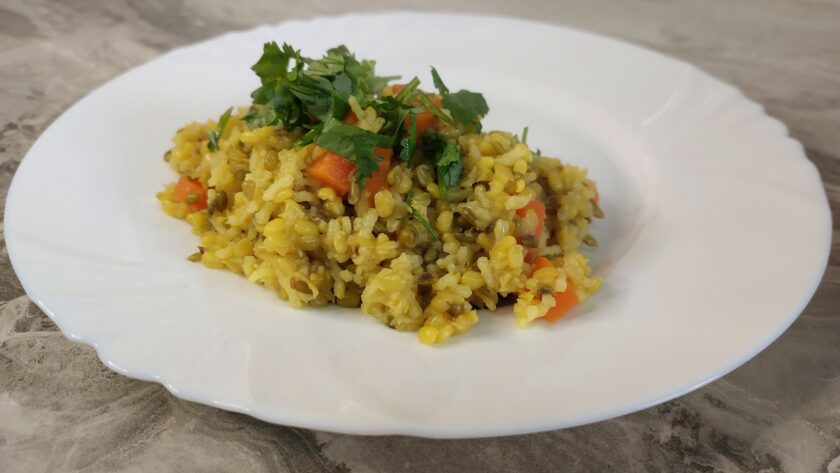
The beauty of Kitchari lies in its easily digestible ingredients. Basmati rice and moong dal (split yellow lentils) form the foundation. These are combined with spices that not only add flavor, but also aid in digestion and detoxification. The exclusion of garlic and onions is intentional, as they are believed to increase heat in the body, which isn’t ideal during a detox.
Kitchari Recipe
Here’s a recipe based on a traditional approach, with options for variations. This will yield approximately 2-3 servings:
Ingredients:
- Ghee – 1 Tbsp
- Cumin – 1 tsp
- Ginger – ½ tsp
- Fennel seeds – ½ tsp
- Turmeric powder – ½ tsp
- Coriander powder – ½ tsp
- Salt – to taste
- Basmati rice – ¼ cup
- Moong Dal – ⅓ cup
- Fresh coriander – for garnish
- Lemon juice – to taste
- Vegetables (choose 2): Carrots, Courgette, Pumpkin, Green beans, Spinach, Asparagus, Okra, Chayote, or Cassava
Instructions:
- Melt the ghee in a pot over medium heat.
- Add the cumin seeds and allow them to sizzle for a few seconds.
- Add the ginger and fennel seeds and sauté for another 30 seconds.
- Stir in the turmeric and coriander powders, cooking for 15 seconds.
- Add the rice and moong dal, and stir well to coat with the spices.
- Add 3 cups of water and the vegetables of your choice.
- Bring to a boil, then reduce heat to low, cover, and simmer for 30-45 minutes, or until the rice and dal are soft and mushy.
- Season with salt to taste.
- Garnish with fresh coriander and a squeeze of lemon juice before serving.
Feel free to adjust the consistency by adding more water if needed. Remember, Kitchari is meant to be a soothing and easily digestible meal.
Beyond the Diet: Supportive Practices
While the Kitchari diet is a powerful tool, its benefits are amplified when combined with other self-care practices. These might include gentle yoga, meditation, and spending time in nature. Aim to prioritize rest and minimize stress during your detox period.
The Kitchari diet offers a gentle and effective way to detoxify, improve digestion, and restore balance to your body and mind according to Ayurvedic principles. By incorporating this simple, nourishing meal into your routine, and combining it with supportive practices, you can experience a profound sense of cleansing and rejuvenation. Give it a try and see the benefits for yourself!